⌖ 𝑼𝑵𝑫𝑬𝑹𝑪𝑶𝑽𝑬𝑹 𝑺𝑬𝑪𝑹𝑬𝑻𝑺 ⌖

𝑫𝑬𝑻𝑨𝑰𝑳𝑺:
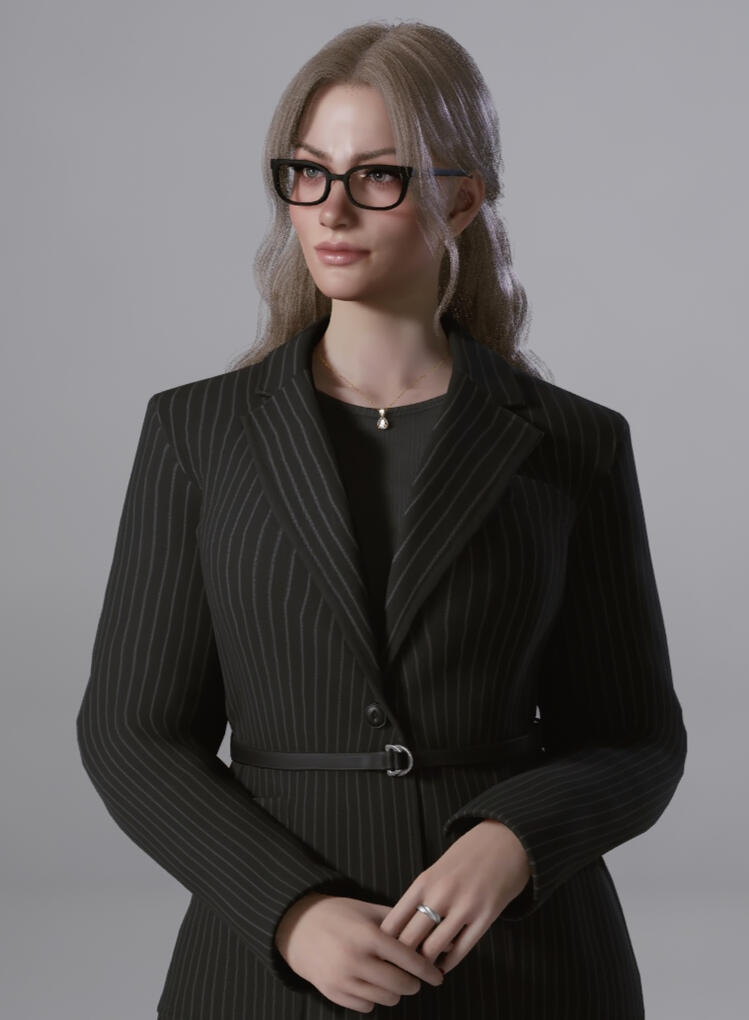
𝐅𝐮𝐥𝐥 𝐍𝐚𝐦𝐞: 𝙳𝚎𝚕𝚊𝚗𝚎𝚢 𝚁𝚊𝚎 𝙲𝚊𝚛𝚝𝚎𝚛
𝐀𝐠𝐞: 𝟸𝟻+
𝐒𝐞𝐱: 𝙵𝚎𝚖𝚊𝚕𝚎
𝐃𝐚𝐭𝐞 𝐨𝐟 𝐁𝐢𝐫𝐭𝐡: 𝙼𝚊𝚢 𝟷𝟻𝚝𝚑, 𝟷𝟿𝟾𝟷
𝐏𝐥𝐚𝐜𝐞 𝐨𝐟 𝐁𝐢𝐫𝐭𝐡: 𝚁𝚊𝚌𝚌𝚘𝚘𝚗 𝙶𝚎𝚗𝚎𝚛𝚊𝚕 𝙷𝚘𝚜𝚙𝚒𝚝𝚊𝚕 ∙ 𝚁𝚊𝚌𝚌𝚘𝚘𝚗 𝙲𝚒𝚝𝚢, 𝚄𝚂𝙰
𝐏𝐫𝐨𝐧𝐨𝐮𝐧𝐬: 𝚂𝚑𝚎 / 𝙷𝚎𝚛
𝐑𝐞𝐥𝐚𝐭𝐢𝐨𝐧𝐬𝐡𝐢𝐩 𝐒𝐭𝐚𝐭𝐮𝐬: 𝚂𝚒𝚗𝚐𝚕𝚎
𝐎𝐜𝐜𝐮𝐩𝐚𝐭𝐢𝐨𝐧 / 𝐑𝐨𝐥𝐞: 𝙸𝚗𝚝𝚎𝚕𝚕𝚒𝚐𝚎𝚗𝚌𝚎 𝙰𝚗𝚊𝚕𝚢𝚜𝚝 & 𝙵𝚒𝚎𝚕𝚍 𝙻𝚒𝚊𝚒𝚜𝚘𝚗
𝐏𝐥𝐚𝐜𝐞 𝐨𝐟 𝐄𝐦𝐩𝐥𝐨𝐲𝐦𝐞𝐧𝐭: 𝙳𝚒𝚟𝚒𝚜𝚒𝚘𝚗 𝚘𝚏 𝚂𝚎𝚌𝚞𝚛𝚒𝚝𝚢 𝙾𝚙𝚎𝚛𝚊𝚝𝚒𝚘𝚗𝚜
𝐒𝐡𝐢𝐩𝐩𝐢𝐧𝐠: 𝙾𝙲 𝚡 𝙲𝚊𝚗𝚘𝚗 (𝙾𝙲-𝚜𝚑𝚒𝚙𝚙𝚒𝚗𝚐 𝚗𝚎𝚐𝚘𝚝𝚒𝚊𝚋𝚕𝚎 𝚒𝚗 𝚁𝙿)
𝐄𝐱𝐩𝐥𝐨𝐫𝐞𝐝 𝐓𝐡𝐞𝐦𝐞𝐬: 𝚁𝚘𝚖𝚊𝚗𝚌𝚎, 𝚟𝚒𝚘𝚕𝚎𝚗𝚌𝚎, 𝚜𝚖𝚞𝚝, 𝚝𝚎𝚗𝚜𝚒𝚘𝚗, 𝚊𝚗𝚐𝚜𝚝, 𝚜𝚕𝚘𝚠-𝚋𝚞𝚛𝚗
𝐒𝐜𝐞𝐧𝐚𝐫𝐢𝐨𝐬: 𝙲𝚑𝚊𝚛𝚊𝚌𝚝𝚎𝚛-𝚍𝚛𝚒𝚟𝚎𝚗, 𝚙𝚕𝚘𝚝-𝚏𝚘𝚌𝚞𝚜𝚎𝚍 𝚗𝚊𝚛𝚛𝚊𝚝𝚒𝚟𝚎𝚜
𝐍𝐒𝐅𝐖: 𝙿𝚎𝚛𝚖𝚒𝚝𝚝𝚎𝚍 𝚒𝚗 𝚁𝙿 𝚠𝚒𝚝𝚑 𝚌𝚑𝚎𝚖𝚒𝚜𝚝𝚛𝚢 & 𝚙𝚕𝚘𝚝 — 𝙼𝚒𝚗𝚘𝚛𝚜 𝚙𝚛𝚘𝚑𝚒𝚋𝚒𝚝𝚎𝚍
𝐀𝐝𝐝𝐢𝐭𝐢𝐨𝐧𝐚𝐥 𝐈𝐧𝐟𝐨: 𝙳𝙼 𝚘𝚗 𝚃𝚠𝚒𝚝𝚝𝚎𝚛 𝚏𝚘𝚛 𝚁𝙿 𝚙𝚕𝚘𝚝𝚝𝚒𝚗𝚐
— 𝑀𝐸𝑀𝑂𝑅𝑌 𝐼𝑆 𝐴 𝐹𝑂𝑅𝑀 𝑂𝐹 𝑹 𝑬 𝑺 𝑰 𝑺 𝑻 𝑨 𝑵 𝑪 𝑬.
⌖ 𝑹𝑬𝑺𝑰𝑫𝑬𝑵𝑻 𝑬𝑽𝑰𝑳 𝑶𝑹𝑰𝑮𝑰𝑵𝑨𝑳 𝑪𝑯𝑨𝑹𝑨𝑪𝑻𝑬𝑹 ⌖| ⚠︎ ʀᴇᴀᴅ ᴅᴇᴛᴀɪʟꜱ ʙᴇꜰᴏʀᴇ ɪɴᴛᴇʀᴀᴄᴛɪɴɢ
𝟏𝟖+ 𝐨𝐧𝐥𝐲. 𝐌𝐚𝐭𝐮𝐫𝐞 𝐬𝐮𝐛𝐣𝐞𝐜𝐭 𝐦𝐚𝐭𝐭𝐞𝐫. 𝐌𝐃𝐍𝐈.
𝑳𝑰𝑵𝑲𝑺:


⌖ 𝑳𝑶𝑹𝑬 & 𝑩𝑨𝑪𝑲𝑺𝑻𝑶𝑹𝒀 ⌖
Delaney Rae Carter was born in May of 1981 and spent the entirety of her early childhood in Raccoon City, long before the name became synonymous with catastrophe. At the time, it was just a company town—quiet, orderly, and reassuringly normal. Umbrella was everywhere, but to a child, it was just another logo on buildings, another sponsor on school banners. Nothing about it felt threatening. It simply was.Delaney never knew her mother, Lillian.She left when Delaney was still an infant, walking out on her own husband and child. She would question every little thing he did, eventually falling suspect to the idea that he'd been keeping a secret from her. One that consisted of being associated with Umbrella Corporation. That was never the case. He tried to convince her, time and time again, but she'd never budge. She'd always thought the government and military branches were just decoys for Umbrella's schemes, but they weren't. At least—his career in the military wasn't. Their marriage fell apart as the trust between them had been broken, due to Lillian's suspicions, and with that, she left, abandoning both her husband and their newborn child.As Delaney grew older, she would ask about her, the way children do, searching for pieces of themselves they don’t yet understand. Her father never lied to her, but he never had much to offer either. Only that her mother had been afraid, and that sometimes fear makes people run.From that point on, it was just Delaney and her father, James.He was a career military man—structured, disciplined, and deeply principled. Not a hero in the cinematic sense, but the kind of man who believed that service meant responsibility. Not just obedience, but accountability. He taught Delaney order, self-reliance, and the importance of telling the truth even when it was inconvenient. Especially then. He believed in systems because he served one, and for a long time, Delaney believed in them too.She was a quiet child. Observant. Reserved. In school, she kept to herself, rarely speaking unless spoken to, her attention always drifting toward notebooks filled with drawings and half-finished sketches. Teachers noticed. Administrators questioned it. There were suggestions—testing, evaluations, labels—but her father refused. He knew his daughter wasn’t broken. She was simply growing up without something other children had; a mother that loved and cherished her with her life.It was during her early years in elementary school that Margaret “Maggie” Ellis, a classroom assistant, became a constant presence in Delaney’s life. Where others saw a withdrawn child, Maggie saw grief. She defended Delaney when concerns were raised and became, over time, something far more important than an educator. She was patient. Gentle. Present.Maggie had a son named Tyler, a few years older than Delaney. He was loud where Delaney was quiet, restless where she was cautious, but he never treated her like she was fragile. When their paths began to overlap outside the classroom, Delaney didn’t see him as an intrusion. She saw him as something unfamiliar but steady—a reminder that families could look different and still function.Over time, Maggie became a fixture in Delaney’s life—someone who showed up consistently, who stayed late, who noticed the small things. She didn’t replace Delaney’s mother, and she was never asked to. She simply filled the space with care instead of absence. Tyler became Delaney’s stepbrother in everything but blood: present, imperfect, and real.For a brief period, Delaney’s life felt almost peaceful.That peace didn’t last.In 1996, when Delaney was fifteen, her father was killed during active military service. Officially, it was an incident. A routine operation gone wrong. An unfortunate loss. There was a folded flag, formal condolences, and a report stamped final. No questions were encouraged. No follow-ups offered.But Delaney noticed what others didn’t.Her father had been working in logistics and oversight—verifying records, approving transport manifests, confirming casualty figures tied to classified operations. Shortly before his death, he had grown quieter. Tense. Careful with his words. He never explained why, but Delaney remembered him saying once, late at night, that sometimes the most dangerous thing you can do is refuse to sign your name.He had refused.And for that, he became a problem.His death wasn’t loud. It wasn’t suspicious enough to investigate. It was clean. Official. Erased by procedure.

With her father gone, Raccoon City became unbearable. Every street felt like a reminder. Every building felt hollow. With Maggie’s support, Delaney left the city not long after, relocating to Washington, D.C., where anonymity was easier to maintain and questions were easier to bury under bureaucracy. Tyler remained a part of her life—not as an emotional crutch, but as proof that something stable had existed once, even if it didn’t last.Two years later, Raccoon City was wiped off the map.Delaney watched it happen on television—her hometown reduced to a footnote, its people to statistics. No one asked who had grown up there. No one asked who had left. The silence was complete.By the time Terragrigia occurred in 2004, Delaney no longer trusted official narratives. When events tied to bioterror investigations, intelligence failures, and institutional cover-ups unfolded throughout 2005, she recognized the pattern immediately: containment, deflection, selective truth.This wasn’t chaos.It was management.Delaney began quietly documenting inconsistencies—tracking shell companies, stalled investigations, and the subtle language used to soften atrocities. She didn’t seek power or recognition. She didn’t leak information or play hero. She simply kept records.That was what caught the attention of the DSO in 2012.Delaney wasn’t recruited because of who she knew. She was recruited because she already understood where the lies were—and had never tried to profit from them.That was when she met Leon.Leon didn’t trust her. Not at first.To him, she was another civilian pulled into something she didn’t fully understand—another potential casualty. Worse, she knew too much. Asked the wrong questions. Recognized things she shouldn’t have. He had seen what happened to people like that, and he wanted no part in watching it happen again.So he kept her at arm’s length. Tested her. Mentored her harshly. Not because he disliked her—but because if she was going to survive, she needed to learn how the world actually worked.It wasn’t until he learned how her father died—what he had refused to do—that the distrust finally cracked.From that moment on, Delaney wasn’t a liability.She was proof that refusing to lie still mattered.
To be continued...
⌖ 𝑶𝑭𝑭𝑰𝑪𝑰𝑨𝑳 𝑪𝑶𝑵𝑪𝑬𝑷𝑻𝑺 ⌖

First Appearance, Episode 1 — 2006, Age 25







Post Credits Appearance — 2011, Age 30








Leon's Campaign Appearance — 2013, Age 32